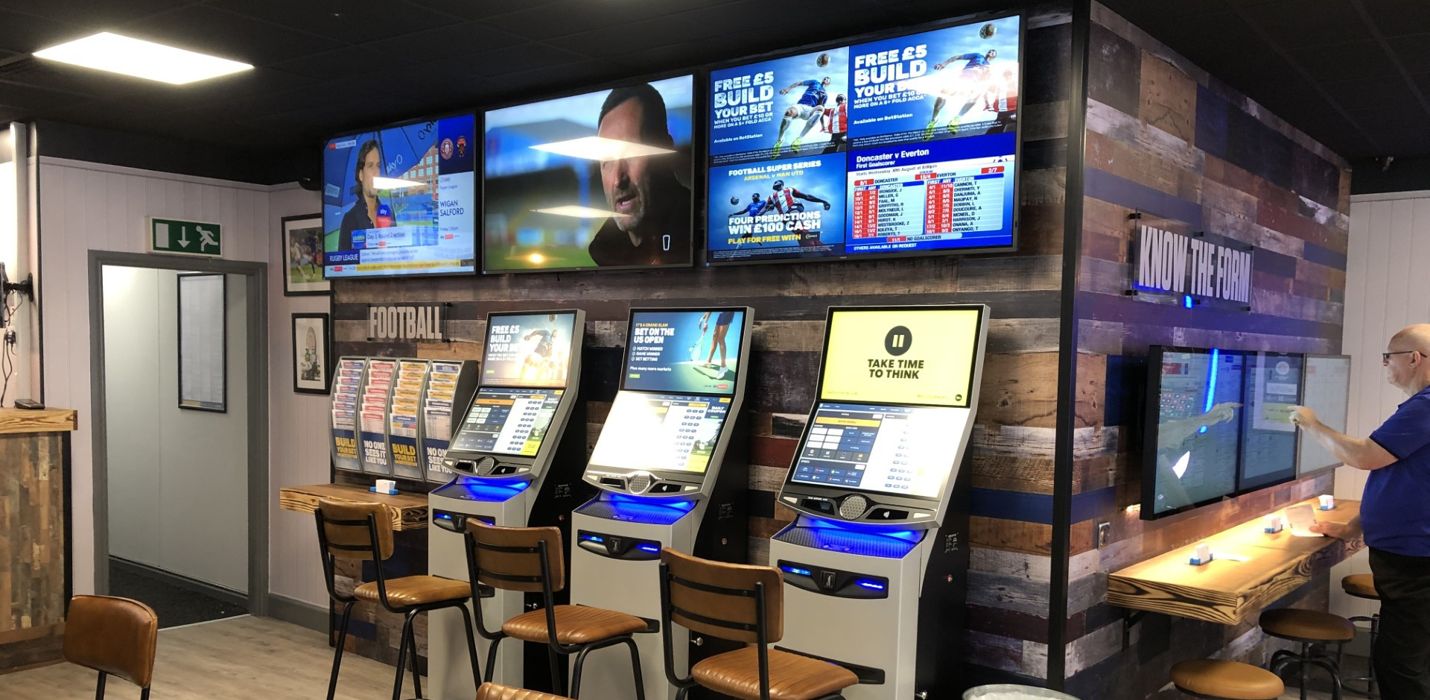
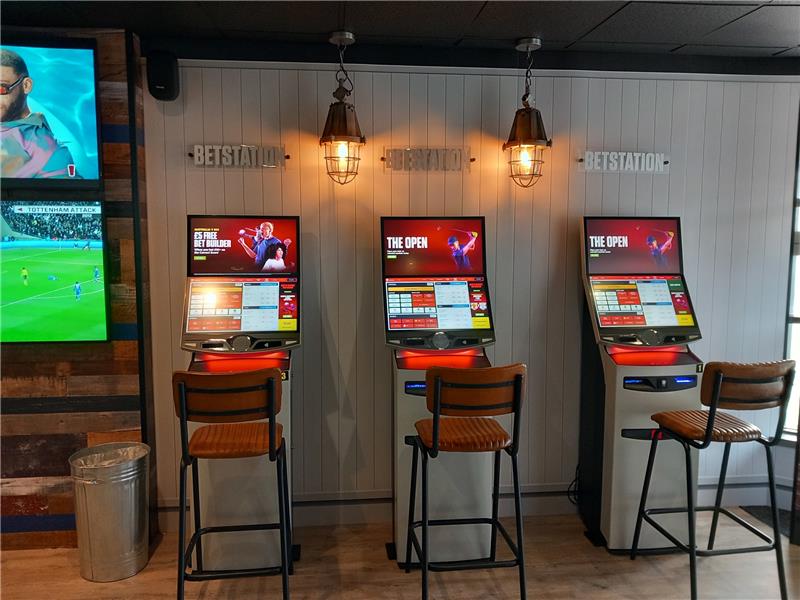
Ladbrokes / Coral — Entain
Self-Service Betting Terminal UX
12,000 kiosks across the UK — leading the UX design of Entain's self-service betting terminal from first prototype to full rollout across 2,400+ shops.
12,000 kiosks across the UK — leading the UX design of Entain's self-service betting terminal from first prototype to full rollout across 2,400+ shops.
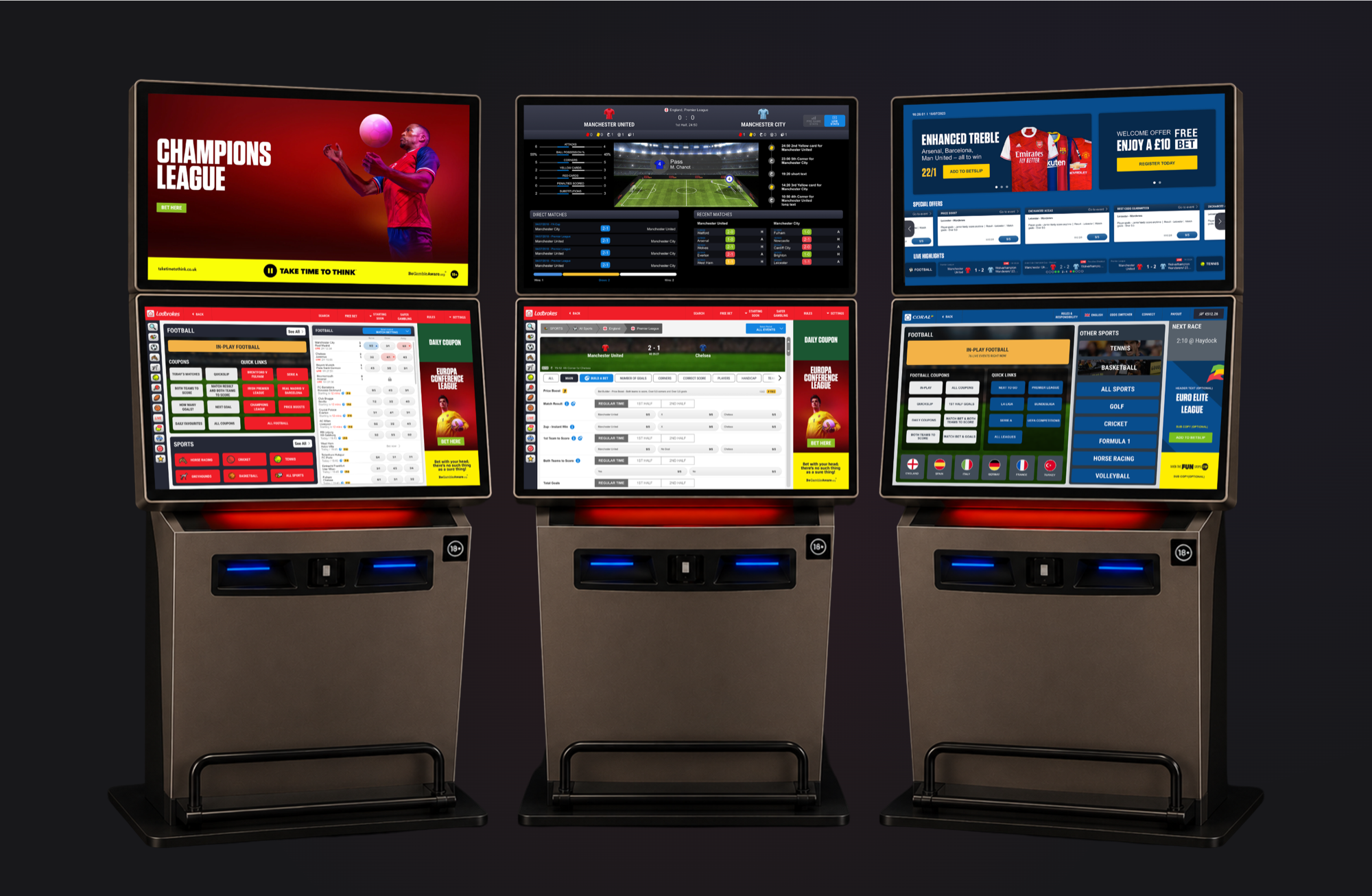
Entain's retail betting estate — over 2,400 Ladbrokes and Coral shops — ran on ageing third-party terminals that were slow, expensive, and disconnected from the digital sportsbook. I led the UX design effort from inception through five years of iterative design, testing, and phased rollout across 12,000 terminals.
I owned the full design process end-to-end: in-shop research and observation, information architecture, prototyping, usability testing, design system creation, stakeholder alignment, and developer handoff across distributed engineering teams in the UK, Austria, Gibraltar, and India. The first terminal went live in Feltham in November 2020. The final installation landed in Swansea in 2025.
A sportsbook contains thousands of markets across dozens of sports. We needed to make deep content feel shallow — for users standing, in a hurry, and surrounded by noise.
Customers expect to find their event, build a bet, and place it in seconds. Every unnecessary tap is a drop-off point — and in a shop with queues, the cost of friction is immediate.
Thousands of customers had years of muscle memory with existing terminals. The new platform had to feel like a clear upgrade while preserving familiar workflows.
We embedded in shops across the UK — observing how customers and staff used existing terminals, mapping pain points in navigation speed and error recovery. Staff interviews surfaced frustrations analytics couldn't: customers abandoning terminals mid-bet because they couldn't find their market.
Three user needs came through consistently: speed (get a bet on quickly), simplicity (intuitive even for first-time terminal users), and range (access to the full depth of sports and leagues). Performance was the single biggest frustration — in a retail environment where queues form quickly, perceived speed matters as much as actual capability.
The legacy landing was a wall of competing promotions and small sport entry points. Customers couldn't answer the only question that matters: "Where do I go?" — so they walked to the counter instead.
We replaced it with sport-first hierarchy — large, tappable Football and Racing tiles given premium placement, a "Next Up" module surfacing the next races and matches, and configurable quick links. One promotional slot, not three (agreed with trading after we shared abandonment data). Primary actions 3× larger than secondary — no ambiguity about where to tap.
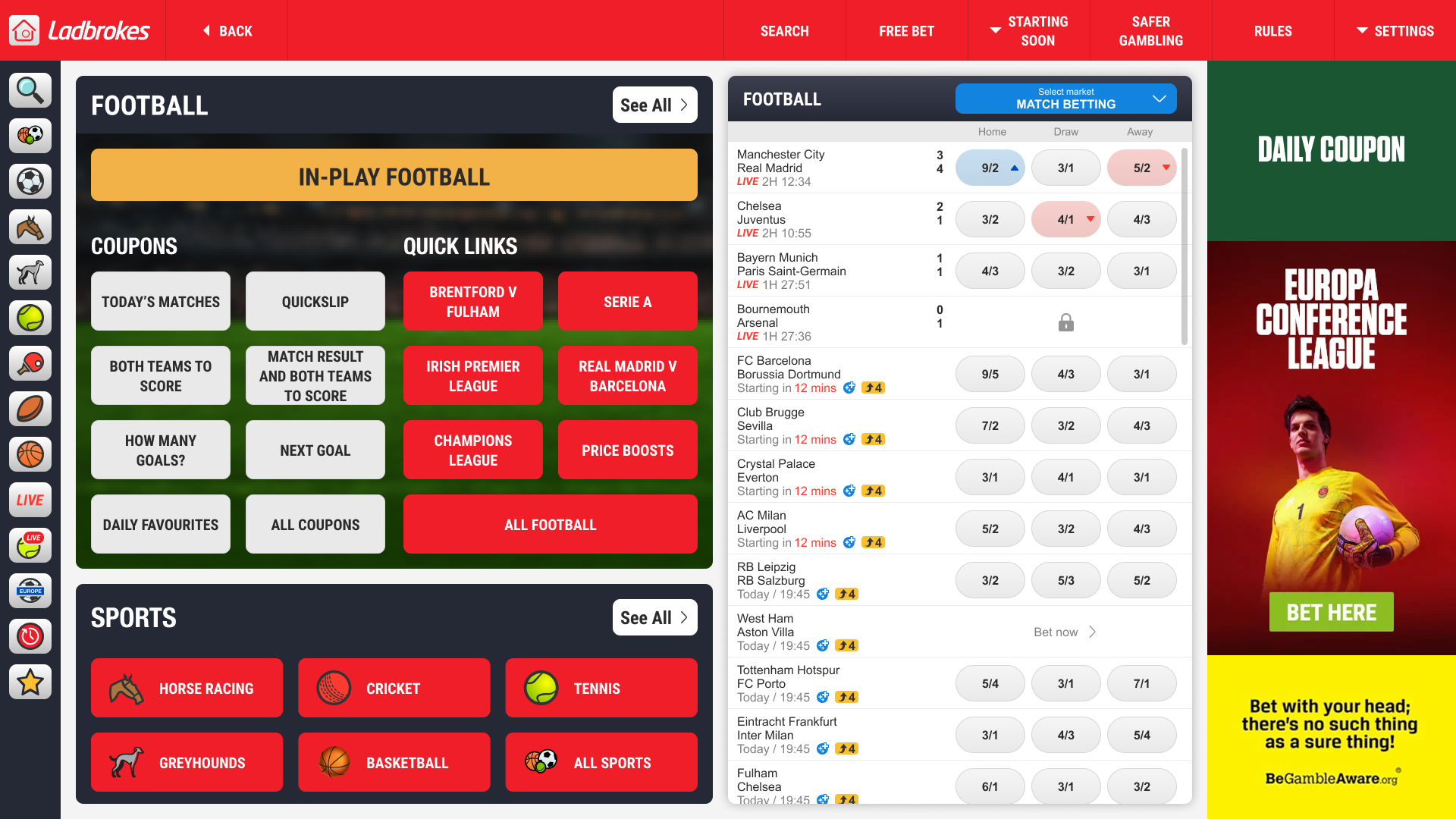
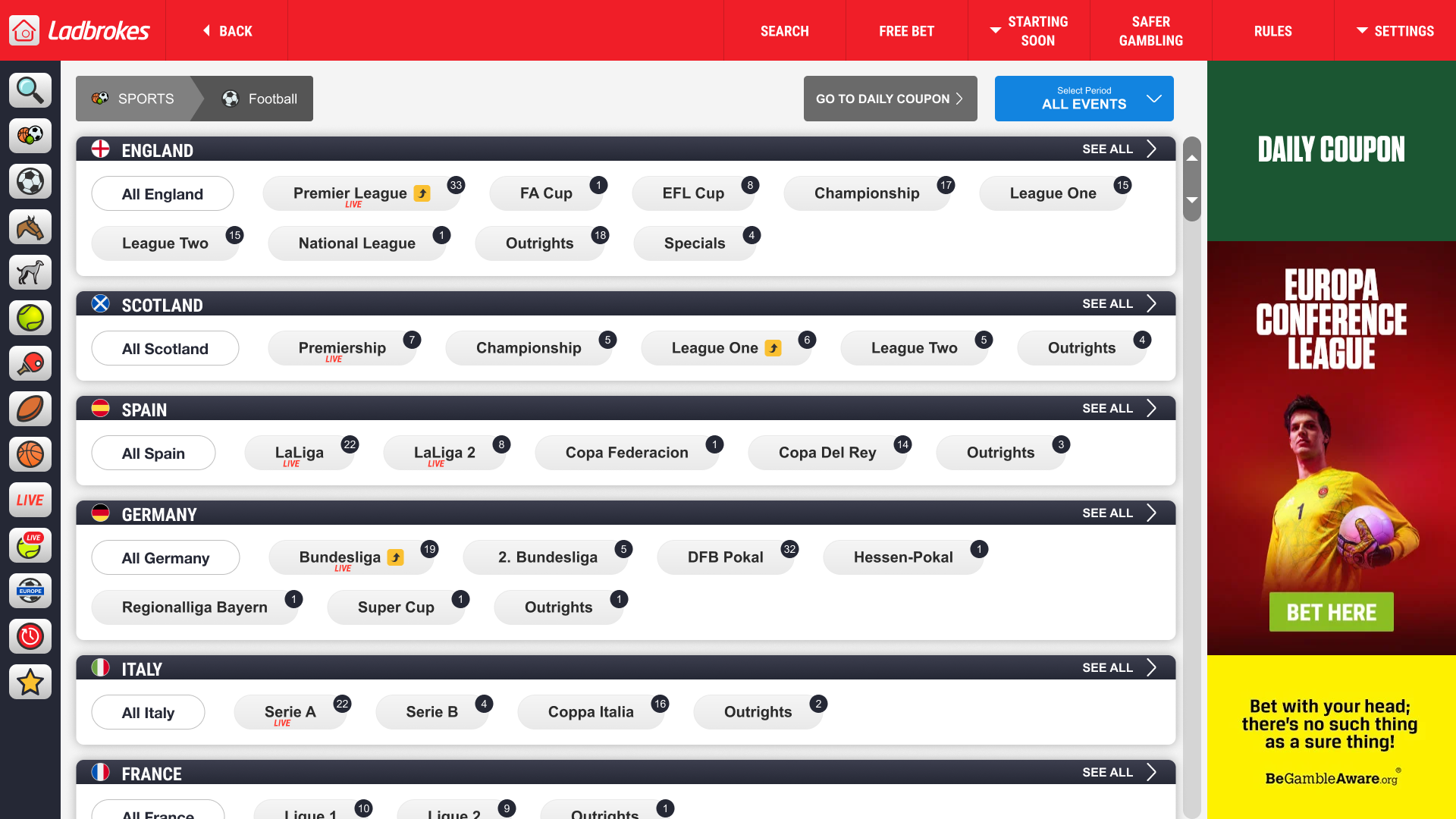
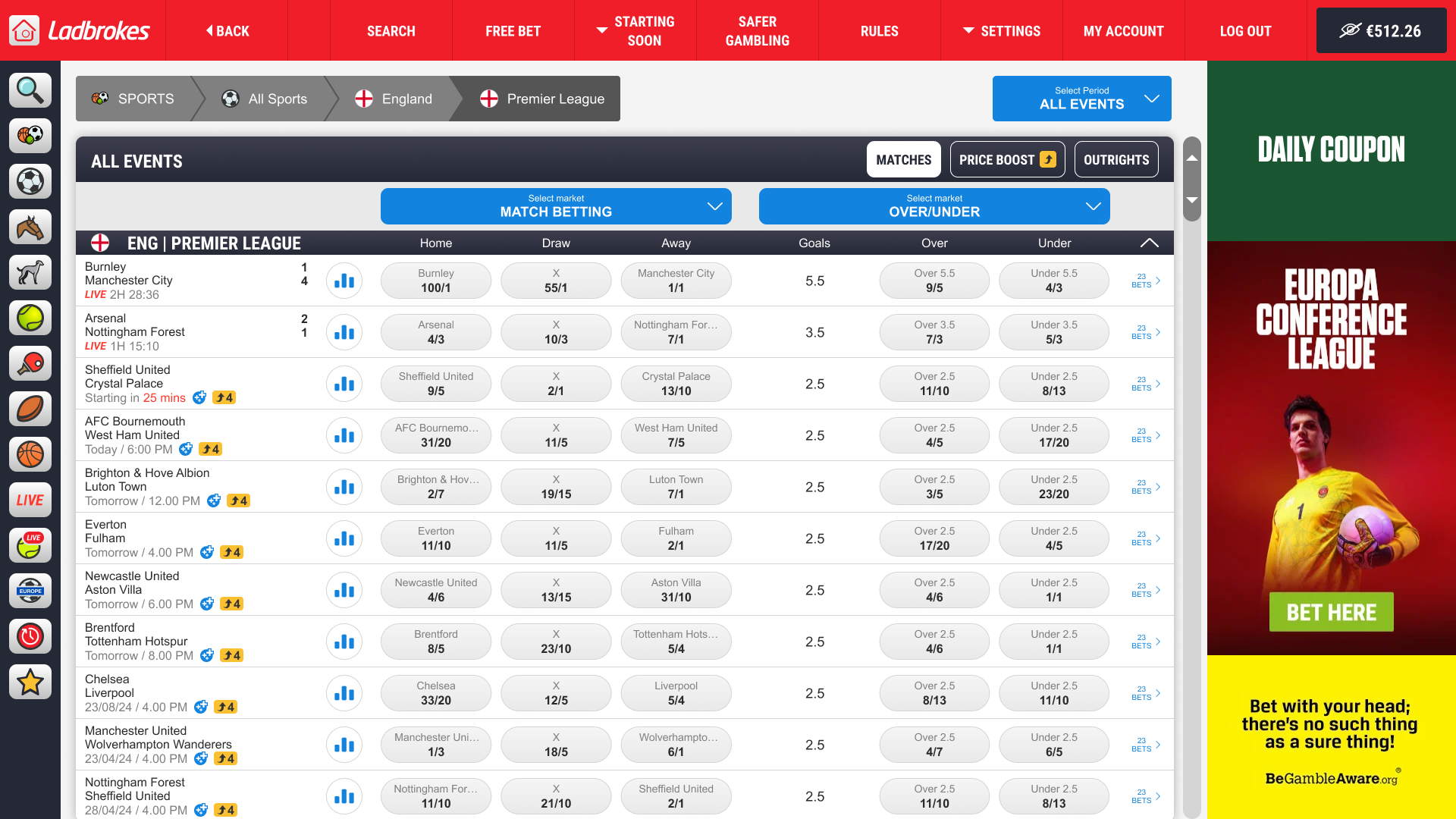
Football is the highest-volume sport on the terminal. Yet the legacy match lists treated 1X2 — the bet 80%+ of customers actually want — with the same weight as dozens of niche markets. Casual users scrolled past the bet they came in to place.
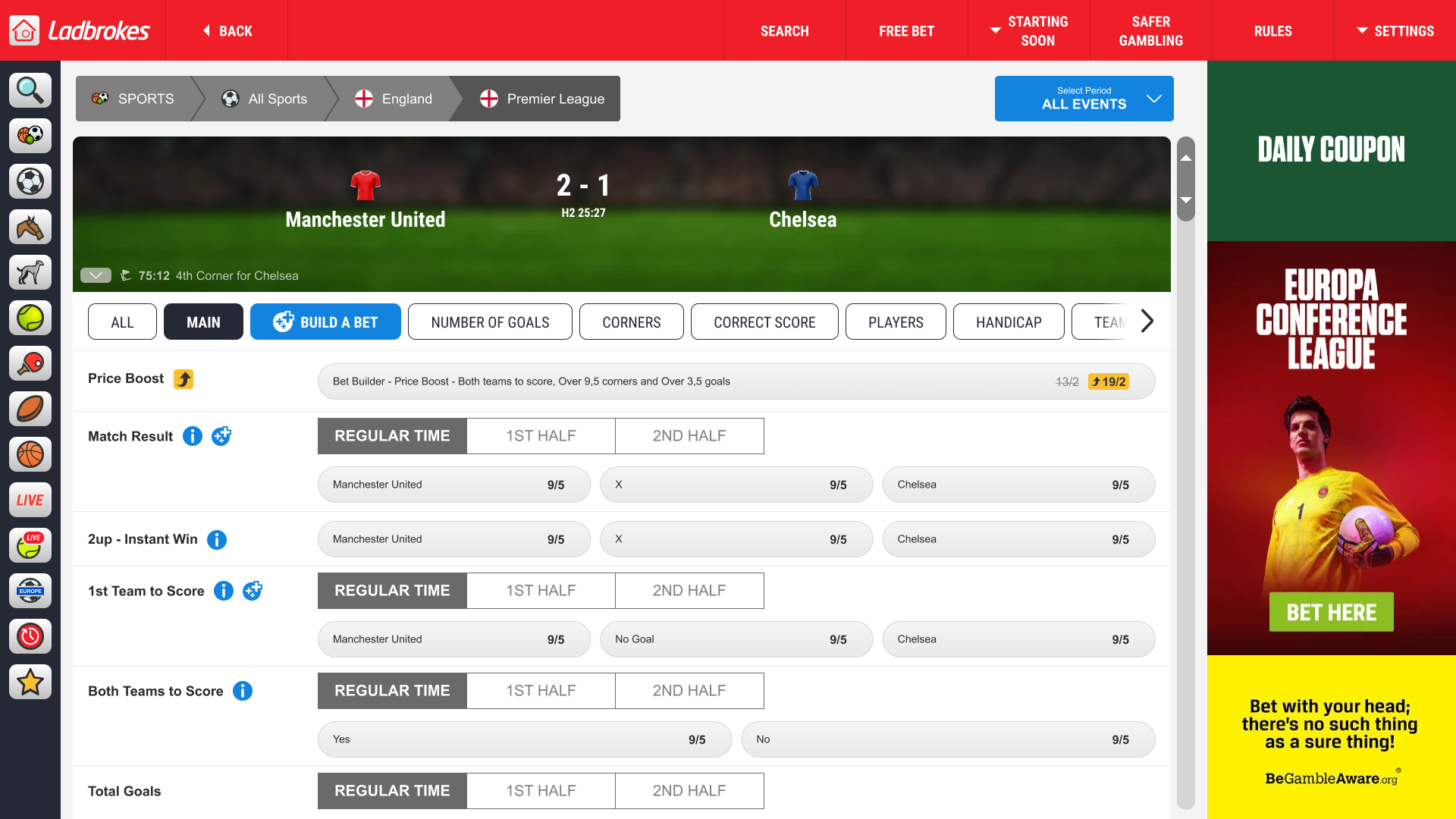
We surfaced inline Home/Draw/Away odds directly on every match card. Starting-soon countdowns pin imminent kick-offs. Live matches sit at the top with score and clock. A tabbed market switcher — Popular, Goals, Players, Specials — gives power users depth without cluttering the default view.
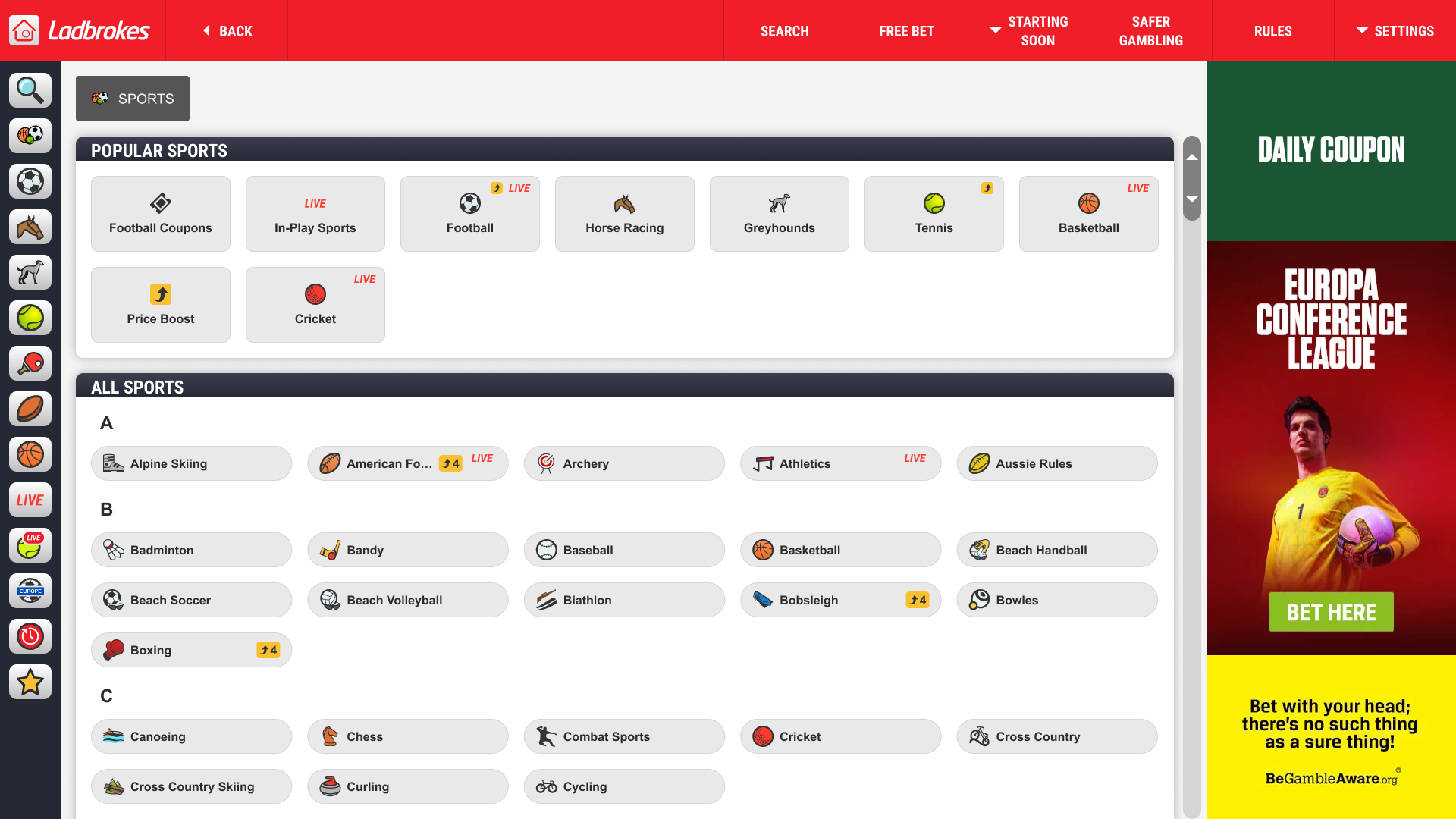
Access to a wide range of sports and leagues was essential for experienced bettors. The A–Z provides a reliable escape hatch — large tap targets, alphabetical grouping, and clear sport icons for quick scanning.
The terminal's top screen attracts customers from across the shop — displaying live odds, upcoming events, and promotional content. It needed to be legible at distance and complement the main touchscreen below.
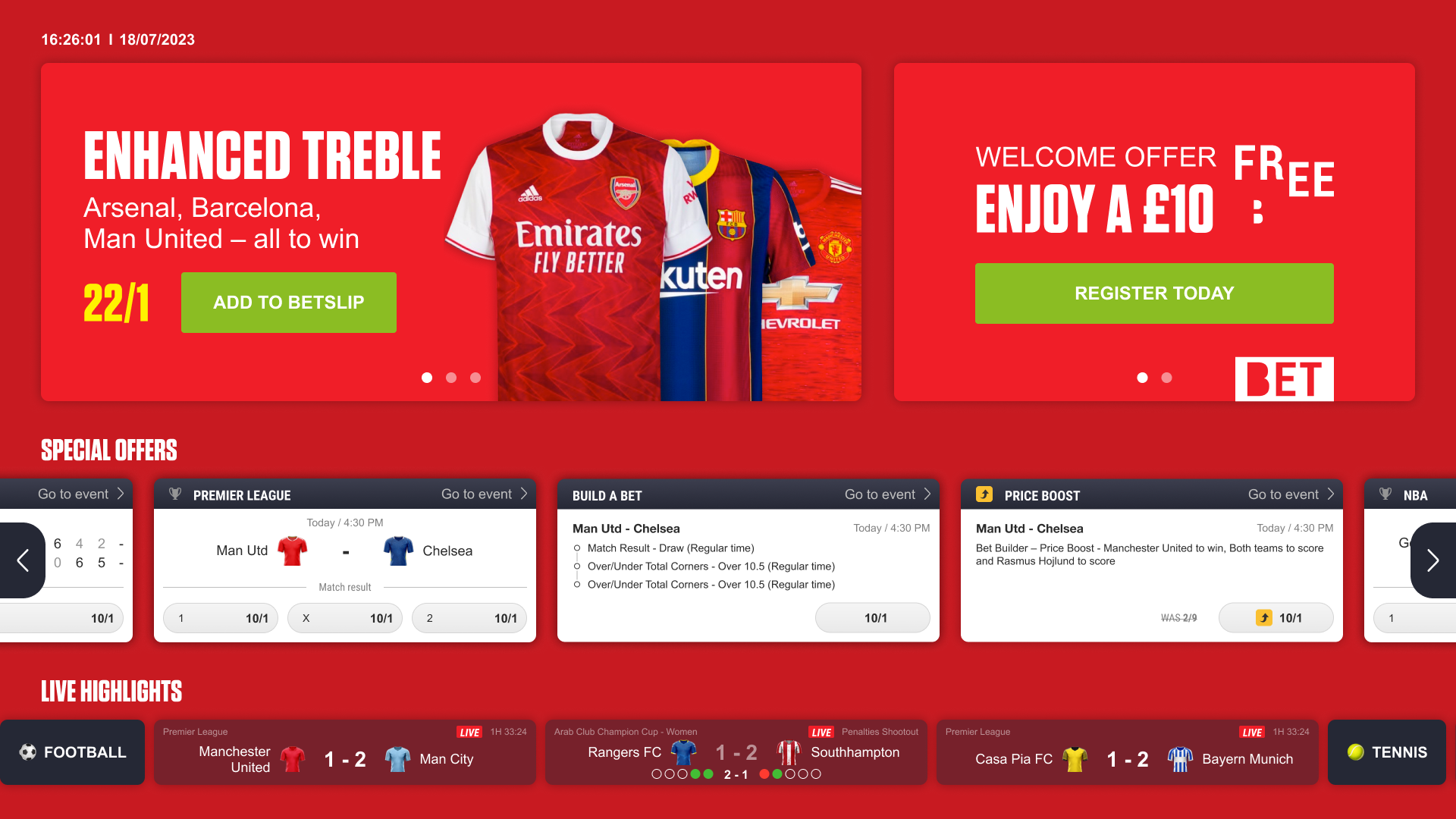
Built a scalable component library specifically for the retail touchscreen context: large hit areas, high-contrast interactive states, and components optimised for speed over density. The system ensured visual and interaction consistency across the entire terminal experience and accelerated delivery as the platform scaled to thousands of units.
Persistent betslip, sticky headers, and visible "My Bets" panels kept critical context on-screen at all times — directly shaped by our research finding that users lose orientation when selections and context disappear during scrolling.
From first installation in Feltham (2020) to full national rollout (2025) — Group BetStation became the sole sports betting channel across Entain's entire UK and Ireland retail estate. Feedback from over 14,000 retail employees shaped ongoing refinements throughout, ensuring the product evolved with real user needs.